For the last three decades, carrying the title of “software engineer” essentially meant acting as a paid syntax translator. Your entire professional mandate was to take a messy, ambiguous human problem (“The users need to upload a profile photo”) and painstakingly translate it into a specific, utterly unforgiving machine language.
If you missed a single closing bracket on line 402, the compiler screamed at you, the entire application crashed, and you spent three hours hunting down a semicolon.
We wore our ability to memorize obscure API endpoints, complex Git merge commands, and infuriating CSS flexbox behaviors as a proud badge of honor. We were the “real” coders. We built specialized mechanical keyboards just to type raw syntax three percent faster.
In 2026, holding onto that rigid identity is the fastest way to render yourself permanently obsolete in the modern marketplace.
The software development industry has experienced a visceral, structural reset. We are no longer manual syntax translators; we are systems architects and orchestrators. We intimately dictate the underlying logic, the data flow, and the overarching “vibe” of an application in plain natural language, and autonomous AI agents handle the , repetitive implementation details.
If you are still determined to write every single line of JavaScript by hand in a standard text editor, you are actively choosing to compete against developers who are moving 100x faster than you. Here is a breakdown of the definitive 2026 Vibe Coding Stack that is rapidly replacing manual syntax, and how you need to pivot your skill set to survive.
What Is “Vibe Coding”? A Practical Definition
The term “Vibe Coding” was popularized in the cultural mainstream in early 2025 by former OpenAI researcher Andrej Karpathy. It well describes a profound, irreversible shift in the developer workflow from syntax generation to natural language orchestration.
In a traditional workflow, you would stare at an empty file and ask yourself, “How do I write a Python function utilizing the csv module to parse this specific JSON payload?” You would then type it out, character by character.
In a Vibe Coding workflow, you do not write the function. You select the destination file in your Agent-first IDE and explicitly instruct the machine:
Read this incoming JSON payload structure from the webhook. Extract the user emails, format them into a clean CSV layout, and instantly save it to the `/tmp` directory. Make sure to handle edge cases where the email field is null or malformed by logging the error to the console and skipping the corrupt row. Do not use external libraries.You are explicitly telling the intelligent machine the what and the why. The machine completely figures out the how.
As an active Vibe Coder, your most valuable skill is no longer your typing speed, your mastery of Vim shortcuts, or your encyclopedic knowledge of nested React hooks. Your competitive moat is now your architectural literacy.
Can you seamlessly design a secure, scalable database schema? Can you clearly articulate complex, multi-step business logic to a literal-minded digital worker? Can you quickly review an autonomous agent’s output and immediately spot a subtle, disastrous database race condition before pushing it to a live production server?
If you want to read more about how this specific paradigm shifts the economics of running a service business, I break the math down in my post AI for small business quick wins.
Tool 1: Cursor (The Heavyweight Refactoring Engine)
In 2024, the Cursor IDE was largely viewed as a neat, functional fork of Microsoft’s VS Code with ChatGPT loosely taped onto the side functionality. By 2026, Cursor has evolved into the undisputed heavyweight champion of deep codebase integration and mass refactoring.
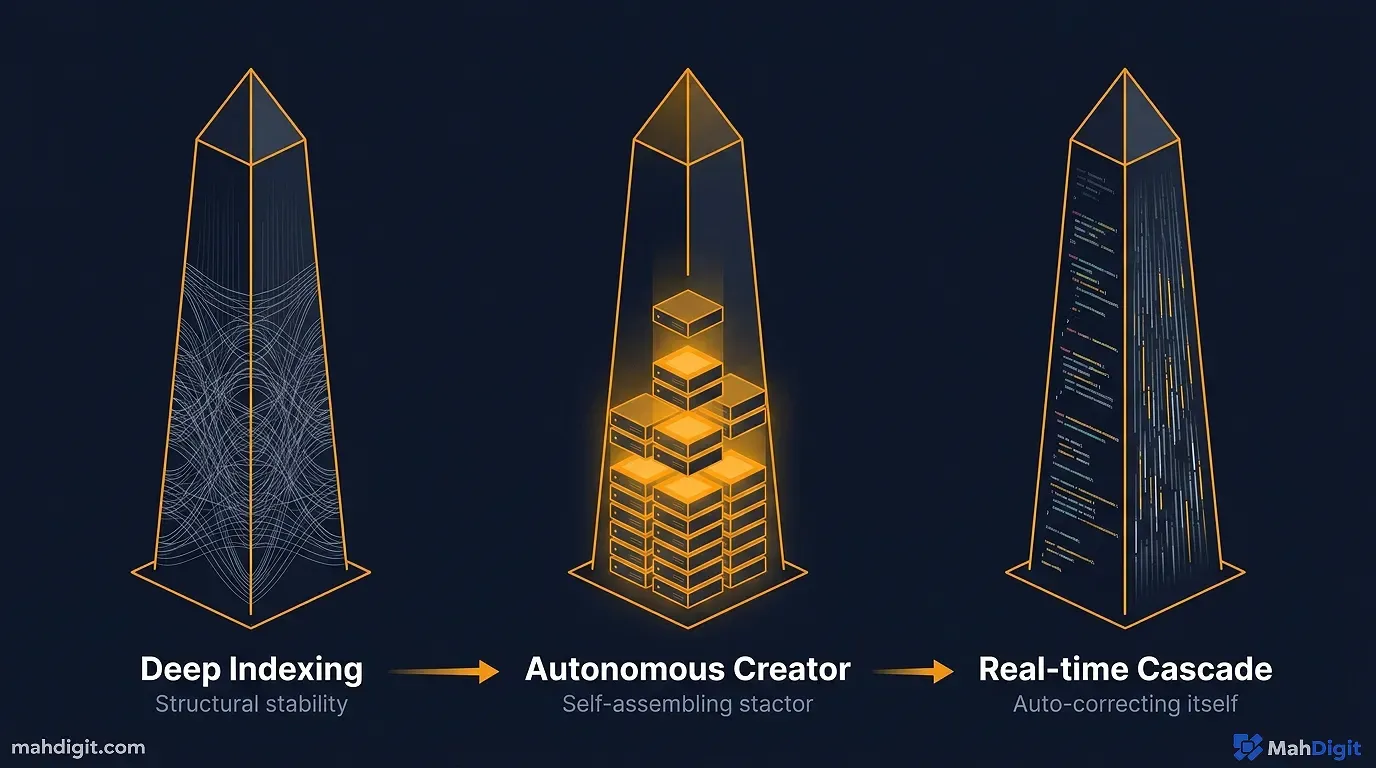
Cursor’s primary, challenging superpower is its Codebase Indexing. When you load a large, sprawling repository into Cursor, the embedded AI does not just blindly read the single file you currently have open on your screen. It embeds your entire interconnected project tree into a large, searchable vector database. It understands how your backend API well maps to your frontend components.
How You Actually Use Cursor in Production:
When you need to make a large, sweeping architectural change, you do not use the archaic “Find and Replace All” function. You open Cursor’s powerful Composer panel and write a definitive architectural prompt:
“We are completely migrating our authentication system from Firebase Auth to Supabase Auth today. Find every single instance across the entire frontend
srcdirectory where we explicitly call a Firebase utility. Completely rewrite the underlying logic to securely use the new Supabase client. Automatically update the local.envvariables to reflect the change, and ensure all the global React Context providers are updated properly to prevent visual flashing on load. Run the ESLint linter across the entire project when you finish.”
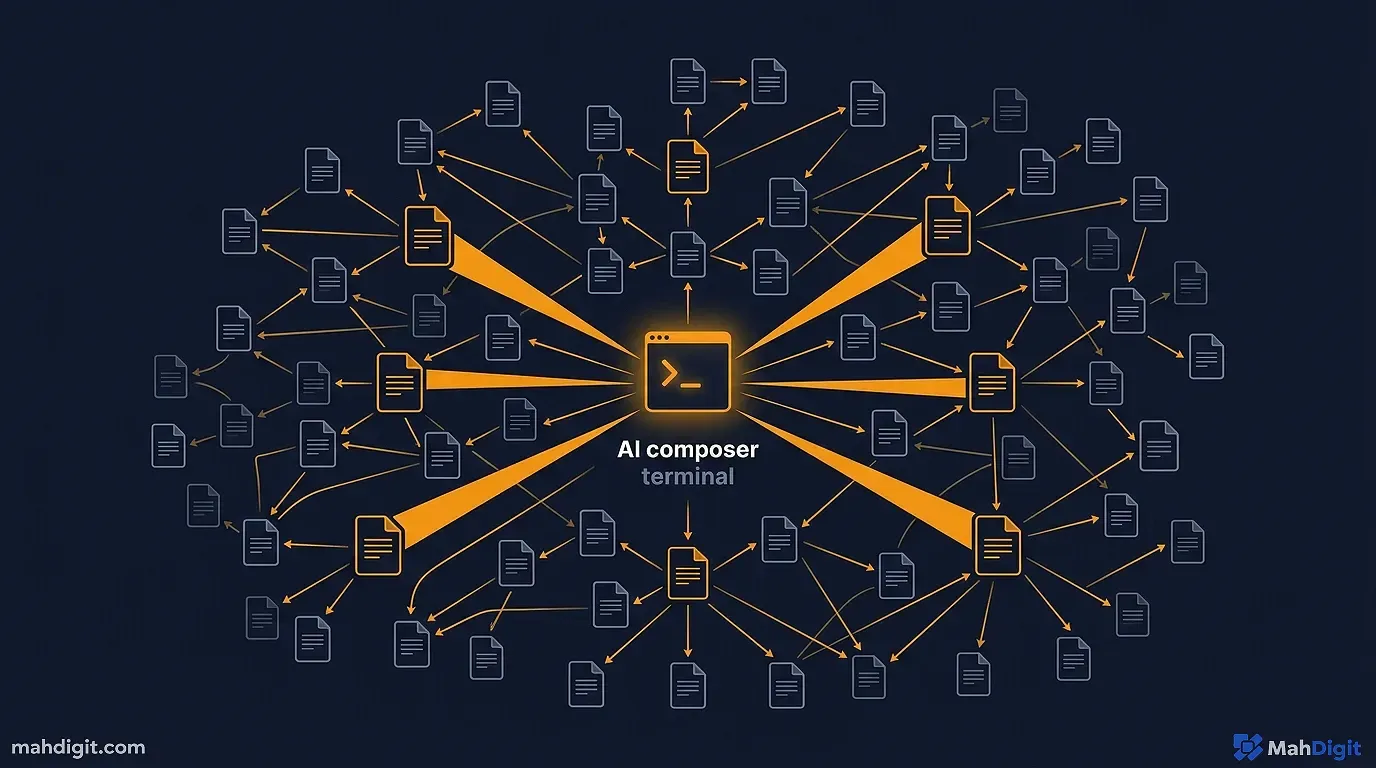
Cursor will analyze the entire dependency graph, autonomously open 15 different files simultaneously in the background, rewrite the underlying authentication code across all of them, and present you with a large, brilliantly formatted multi-file diff for immediate review. It turns a week-long, migraine-inducing migration headache into a 20-minute coffee break.
If you are dealing with large enterprise systems or entangled legacy code built by developers who quit three years ago, Cursor is the only tool that can map the chaos effectively.
Tool 2: Replit Agent 3 (The Autonomous “Zero-to-One” Teammate)
While Cursor is heavily favored by professional senior engineers actively managing existing, complex systems, Replit has pivoted their entire company strategy to intensely focus on rapid “Zero-to-One” creation from a blank slate.
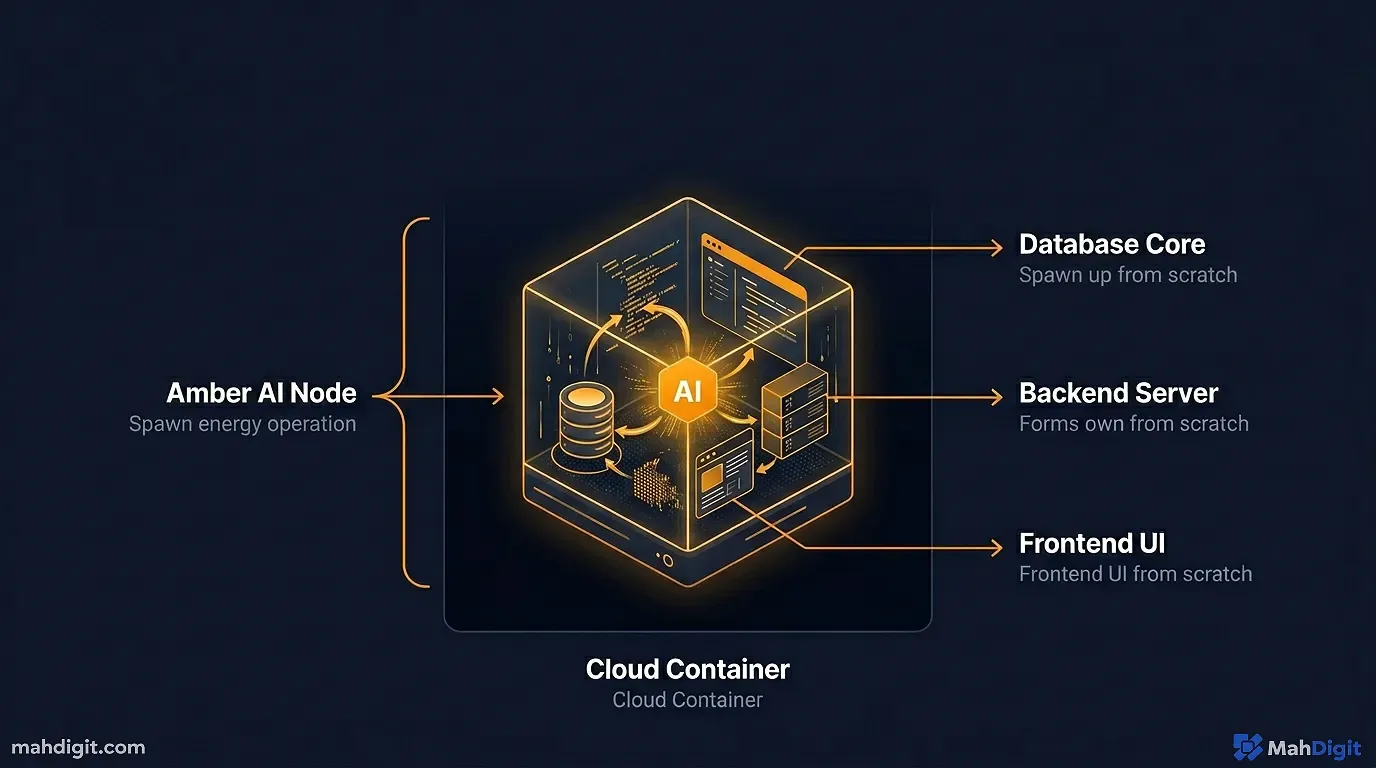
With the explosive release of Replit Agent 3, Replit formally stopped being just a neat online code editor and officially became a fully autonomous “Digital Teammate” operating relentlessly within an isolated, containerized cloud environment.
How You Actually Use Replit Agent 3:
You open a completely blank Replit workspace on your laptop browser (or even your phone while sitting on a train). You immediately engage “Max Autonomy Mode.” You type a robust, specific architectural prompt:
“Autonomously build a heavily monetized full-stack job board specifically targeting remote Rust developers. I need secure user authentication, a live PostgreSQL database for storing job listings, and a deep Stripe API integration so software companies can seamlessly pay $50 to post a premium job. Use Tailwind CSS v4 for the accessible design. Once the core loop works locally, deploy it to a live public URL.”
In 2026, Replit Agent 3 is not just a chat window giving you advice. It will spin up the secure database container behind the scenes. It will write the backend Node.js API from scratch. It will generate the interactive React frontend components. It will autonomously install the necessary npm packages. It will run unit tests against its own code.
If it encounters a fatal Stripe API authorization error during testing, it does not stop. It will actively read its own terminal output, search the live internet for the specific error code, fix its own broken webhook logic based on the updated Stripe documentation, and restart the server autonomously.
It is the main “Vibe Coding” tool because it mercilessly abstracts away everything except your initial strategic idea and your business logic. For ambitious solo founders looking to build profitable software tools rapidly without hiring a team, this is the absolute engine of choice. (I wrote an exhaustive, step-by-step guide on executing this exact strategy in AI tools for developers).
Tool 3: Windsurf (The Real-Time Cascade System)
Windsurf rapidly emerged in late 2025 as the dark horse IDE and almost instantly captured the high-stakes, technical engineering market. It was built by the technical team at Codeium, and it changed how generative AI interacts with the text editor through its revolutionary “Cascade” architecture.
In traditional AI coding (even within Cursor or Copilot), the AI statically generates a block of code based on a prompt, and you explicitly click a button to accept or heavily reject it. It is a distinct, punctuated action.
Windsurf operates on a plane of continuous, real-time contextual awareness. The embedded AI is constantly running in the background. It is fully aware of your exact cursor position, it is reading your live terminal state output, and it knows what documentation you are currently reading in your active browser tabs.
How You Actually Use Windsurf in the “Flow State”:
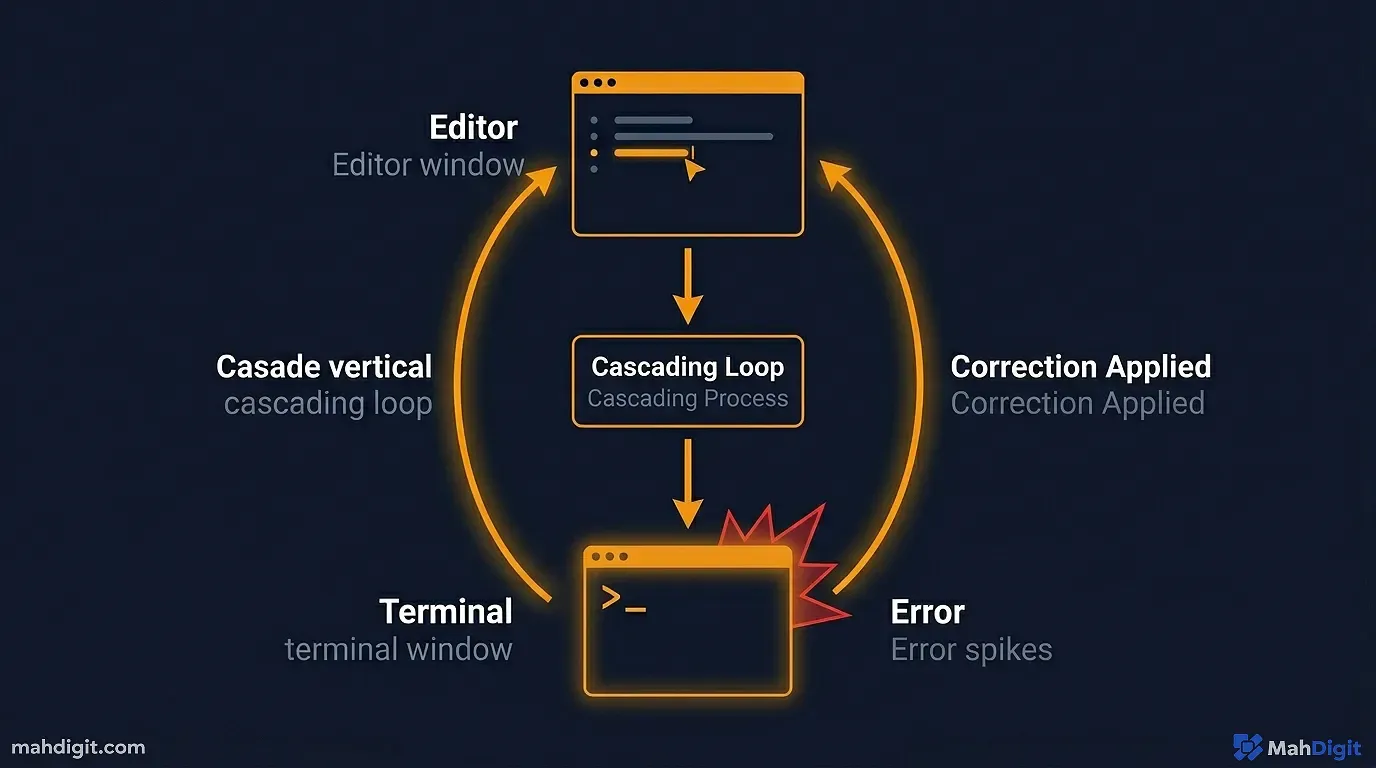
You are manually tweaking a complex D3.js data visualization component on a dashboard. Suddenly, you get a large, unreadable wall of red text errors in your terminal. You do not even have to copy the error. You do not have to open a chat window or type a detailed prompt explaining the issue.
You just hit the core Windsurf hotkey (Cmd+I) and boldly command, “Fix that large terminal error.”
Because of the underlying Cascade architecture, Windsurf already knows what the error is because it was actively watching the terminal. It immediately knows which specific file in your directory caused it. It pushes the exact required code fix instantly into your file via its rapid “Instant Apply” feature.
It genuinely feels less like using a clunky software tool and substantially more like pair programming with an incredibly fast, caffeinated senior engineer who is actively reading your technical mind.
Framework Comparison Matrix: 2026
To make the absolute best choice for your specific operational workflow, here is a breakdown of how these three primary tools functionally compare against the legacy standard of VS Code.
| Development IDE | Core AI Philosophy | The Defining Superpower | The Fatal Weakness | Best Used For |
|---|---|---|---|---|
| Cursor IDE | Deep Codebase Indexing | large, multi-file refactoring via Composer | High API token burn rate | Managing large enterprise codebases |
| Replit Agent | Complete Autonomous execution | Zero-to-one cloud container deployment | Difficult to export large projects | Solo founders building Micro-Apps |
| Windsurf | Real-time Cascade awareness | Terminal error auto-correction | Smaller community ecosystem | ”Flow state” rapid prototyping |
| VS Code + Copilot | Legacy reactive autocomplete | Universal plugin availability | The AI is completely blind | Maintaining legacy web systems |
If you are a solo operator seeking maximum speed, use Replit. If you are a senior engineer managing a sprawling ten-year-old monolith, pay for Cursor. If you prioritize real-time flow and terminal awareness, install Windsurf. Do not touch vanilla VS Code unless forced by corporate IT policies.
The structural shift outlined here strongly echoes the exact mechanics I detailed in my AI tools for developers guide. The industry is heavily shifting toward orchestration.
The Economics of Vibe Coding (API Cost Management)
You cannot discuss the Vibe Coding stack without discussing the financial realities of API usage. These intelligent agents are not running on magic; they are routing large prompts through expensive Large Language Models located on server farms in large data centers.
When you use the “Composer” feature in Cursor to rewrite a large authentication system, you are not just sending the prompt. Under the hood, the IDE is silently attaching the text of fifteen different relevant files to your prompt to give the AI context. You might accidentally send 80,000 input tokens to the Anthropic API in a single click.
If you are indiscriminately routing every single simple syntax question to the most expensive, heavy models (like Claude 3.5 Sonnet or GPT-4o), you will accidentally burn through a challenging $200 API bill in a single intense weekend of development.
The mark of a truly professional Vibe Coder is absolute model routing discipline:
- For simple, localized syntax errors: Force the IDE to use an incredibly fast, dirt-cheap model like Llama 3 8B or GPT-4o-mini.
- For large architectural planning: Switch the toggle specifically to Claude 3.5 Sonnet to ensure maximum logical consistency.
- Use Local Models: As I heavily discussed in the best free AI tools guide, installing Ollama on your local machine and forcing Cursor to query your local GPU for simple code completion is the only sustainable way to prevent API usage bankruptcy.
The large Downside: The “Black Box” of Technical Debt
The Vibe Coding stack is not magic; it is simply an incredibly thick, powerful abstraction layer sitting on top of raw syntax. But in software engineering, there is a fundamental law: all abstractions eventually leak.
When you use Replit or Cursor to autonomously generate 5,000 lines of complex React logic in a single afternoon, you do not intimately understand that codebase. You did not manually struggle with the underlying logic. You did not spend hours mapping the state management. Because you skipped the struggle, you did not build a competent mental map of how the core data flows through the application.
The software technically works well today, but three months later, when a large, sudden user influx causes a specific performance bottleneck in a nested database query you did not write, you are in serious, existential trouble. AI agents are notoriously bad at identifying deep, systemic performance issues in sprawling legacy codebases they wrote themselves. They can build a house instantly, but they cannot find the cracked pipe hidden inside the walls six months later.
The Vibe Coding stack powerfully allows junior developers to build software identically like senior engineers, but it does not give them the cognitive ability to debug software like senior engineers. When the Black Box breaks, and the AI cannot fix it, you are entirely left holding a broken product you do not understand.
Key Takeaways
The 2026 Vibe Coding stack has , irrevocably shifted the defined value of a software developer. Value is no longer tied to syntax memorization or typing speed; it is tied exclusively to high-level architectural vision and prompt precision.
- Raw syntax is rapidly becoming a commodity. Stop agonizing over rote memorization of API endpoints. Learn how to clearly articulate complex system logic to a literal-minded LLM.
- Cursor is for the Pros: If you are heavily refactoring large legacy code or actively managing multi-file dependencies, Cursor is the unmatched, reigning king of deep context.
- Replit Agent 3 is the main creator sandbox: For zero-to-one prototyping and building full-stack applications from a single natural language prompt, Replit’s extreme autonomy is terrifyingly effective for founders.
- Windsurf actively kills friction: For deep, immersive “flow state” programming where the AI proactively fixes compiler errors based on live terminal context, Windsurf provides the absolute smoothest experience on the market.
- Beware the Black Box problem: Vibe coding actively creates technical debt infinitely faster than traditional manual coding. You must force the AI to document its logic heavily, otherwise, you will be unable to maintain your own product six months from now.
- Manage your API costs like a business: Do not use a sledgehammer to crack a nut. Actively route simple coding tasks to cheap, fast models, and save the expensive Claude tokens for deep architectural planning.
The era of manual boilerplate generation is completely over. Embrace the overarching vibe, direct the autonomous agents, and start focusing entirely on the actual business problems your software is meant to actively solve. Explore AI tools for developers and the best AI tools for productivity in 2026 to go deeper into the 2026 developer toolkit.
