I have a confession to make: I have not written a manual JavaScript for loop from memory in over eighteen months. I have not manually centered a div tag using raw CSS since late 2024. And yet, over the last six months alone, I have conceptualized, built, and launched three distinct software products that dominate their hyper-specific niches and generate recurring monthly revenue while I sleep.
I did not hire an offshore development team. I did not raise seed funding. I did not spend 80 demanding hours a week crying while debugging complex React state management issues or arguing with Webpack configurations.
I used a completely new, foundational development methodology that is dominating the software industry in 2026. The academic computer science world calls it “AI-Assisted Agentic Development.” The internet, ever hungry for a catchy meme, calls it “Vibe Coding.”
If you have a brilliant digital product idea but you have historically been paralyzed by the sheer technical barrier to entry specifically the steep learning curve of modern JavaScript frameworks this guide is written entirely for you.
I am going to break down what Vibe Coding actually means in a practical sense, why specific “Micro-Apps” are the single most profitable things a solo founder can build right now, and the exact software deployment stack (specifically Astro paired with Tailwind CSS) I use to launch these applications in a single, frenetic weekend.
What is Vibe Coding and Why Should You Care?
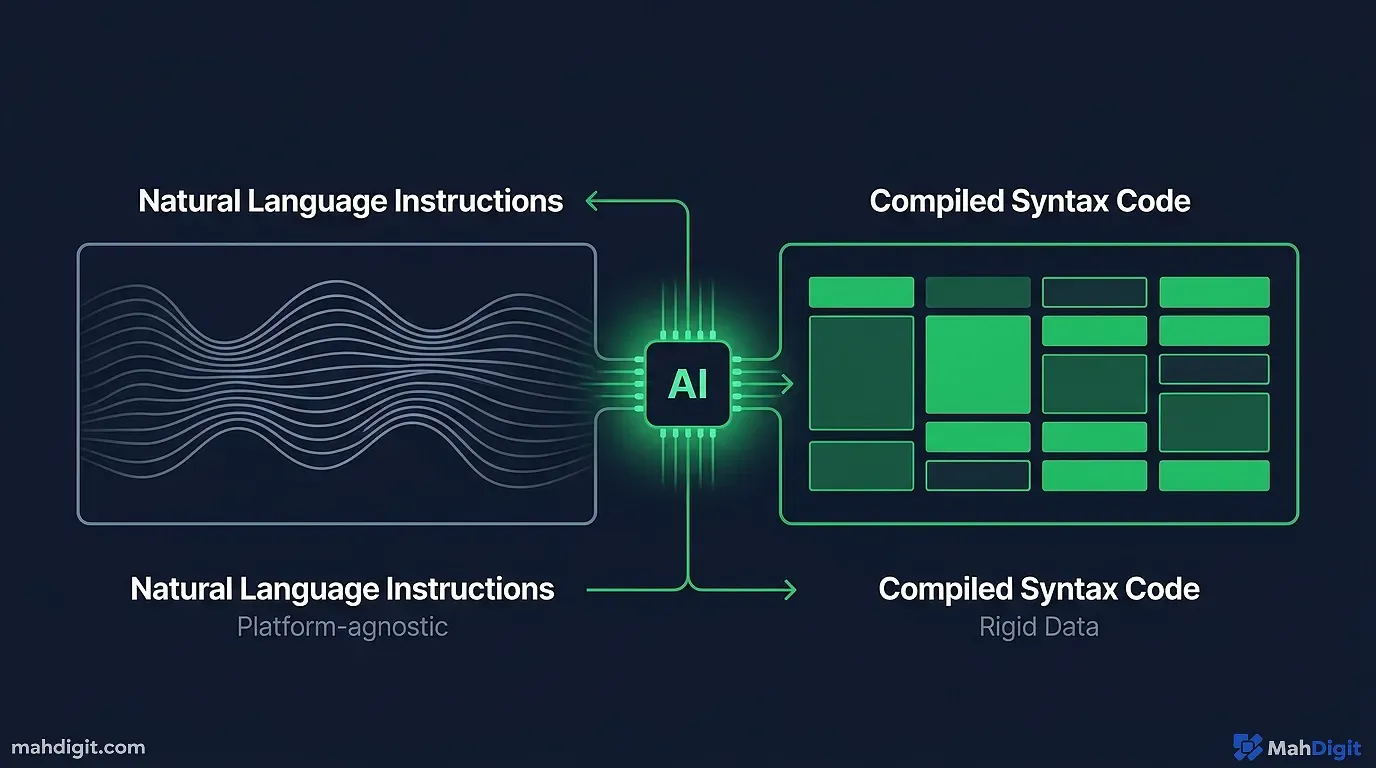
Vibe coding is the act of rigorously describing your software’s overarching architecture, user interface aesthetics, and backend business logic in natural language, and letting an orchestrated team of autonomous AI agents write the actual granular syntax.
You dictate the precise “vibe” and the structural rules. The intelligent machine handles the punctuation, the brackets, and the compile errors.
This is not the same as pasting a lazy, generic prompt into ChatGPT and getting a broken, unstyled HTML file in return. That was the reality in 2023. As I discussed in my honest, hands-on review of AI tools for developers, modern integrated development environments (IDEs) like Cursor, Windsurf, and Antigravity operate on a completely different plane. They use autonomous AI agents that index and read your entire project directory.
These agents understand how your specific PostgreSQL database schema connects to your customized frontend routing. They know which API versions you currently have installed.
When you Vibe Code, your daily job shifts entirely from being an exhausted bricklayer to being the Master Architect. You write high-level, strategic instructions like:
Create a new pricing component on the marketing page. It needs three distinct pricing tiers. Use a minimalist, high-contrast Tailwind design with a glassmorphism effect on the middle ('Pro') tier to highlight it. When a user clicks the 'Subscribe' button on the Pro tier, trigger the exact Stripe checkout serverless function we built yesterday in the /api/checkout route.The AI reads that instruction, processes the context of the entire application, and seamlessly writes the 250 necessary lines of code across three different files to make it happen. You review the code visually, test it in the staging environment, and immediately push it to production.
The Death of the Monolith: Why AI Micro-Apps Win
When most ambitious people think of building “SaaS” (Software as a Service), they usually picture large, infinitely complex enterprise platforms like Salesforce, HubSpot, or Asana.
Here is my most urgent piece of advice: Do not try to build the next Salesforce using AI agents. You will fail spectacularly.
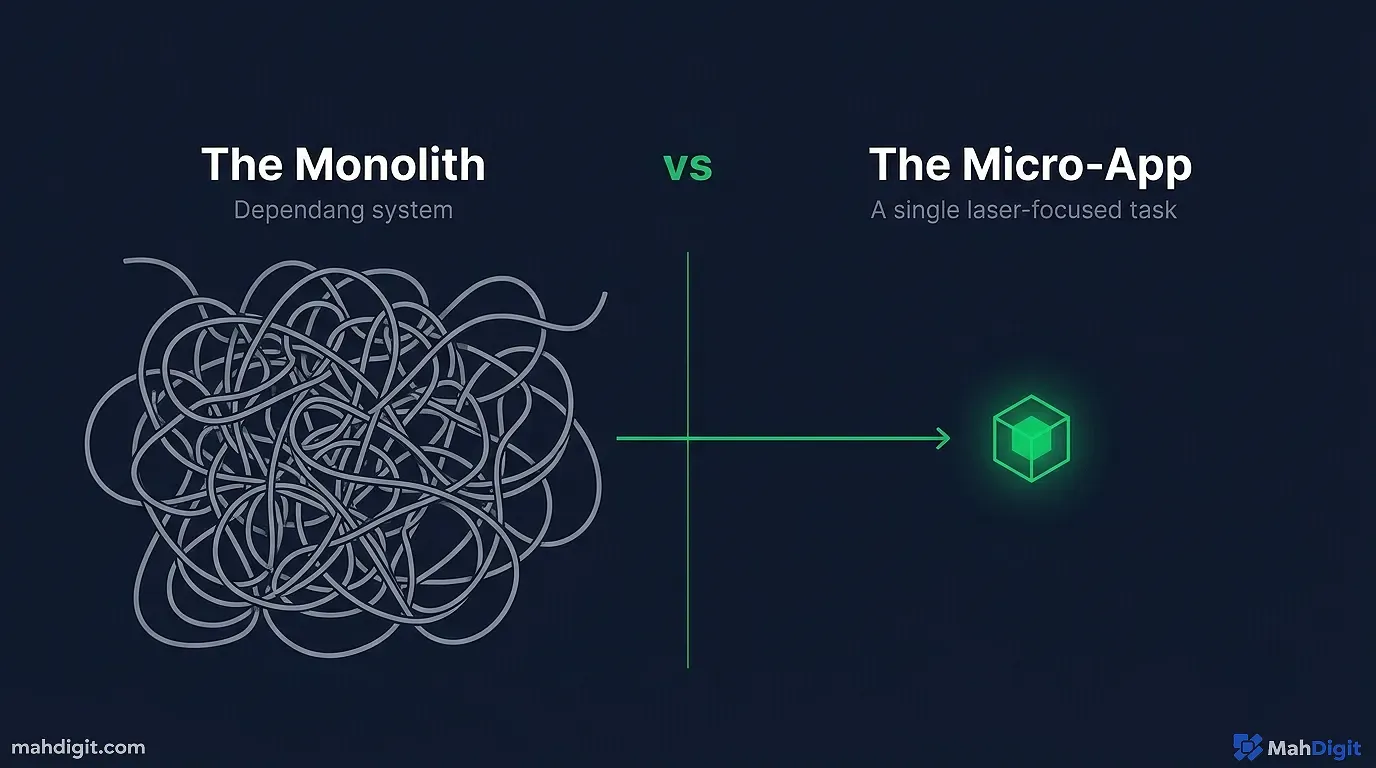
The primary structural limitation of AI agents in 2026 is contextual drift. If you ask an agent to well build and maintain a large, interconnected monolith with millions of lines of custom code, the agents will eventually lose context. The codebase will silently devolve into an unmaintainable plate of spaghetti logic, and you will spend six agonizing months debugging a database race condition you do not actually understand.
In 2026, the solo-developer meta is entirely focused on the AI Micro-App.
A Micro-App is a lightweight, laser-focused application specifically designed to do one thing incredibly well. It strips away all bloated, unnecessary features and delivers an immediate, flawless solution to a specific, painful problem.
Examples of Profitable Micro-Apps Built via Vibe Coding:
- An application that takes a messy, hour-long Microsoft Teams transcript and automatically formats it into well structured Jira engineer tickets.
- A specialized educational tool where a stressed high school teacher uploads a dense 40-page PDF of a history textbook chapter, and it instantly generates a 20-question multiple-choice quiz with answer keys and citation references.
- A localized tool that reads a real estate agent’s messy, shorthand bullet points from a property walkthrough and rewrites them into a luxurious, emotional property listing description optimized for Zillow search algorithms.
People do not want to sign up for a $49/month large marketing platform just to generate a single quiz. They will, however, happily pull out their credit card and pay $5 for a lifetime license to a Micro-App that does what they urgently need right now without requiring them to sit through an onboarding tutorial.
For a deeper breakdown of how lucrative these hyper-niche, specific automations can be when sold directly to B2B clients, I recommend reading my thorough analysis in AI for small business quick wins.
The 2026 Vibe Coding Stack: Astro + Tailwind
To build these Micro-Apps rapidly and launch them before a competitor steals the idea, you need a specific tech stack. It must be blisteringly fast, inherently secure by default, and incredibly easy for an AI to understand and manipulate.
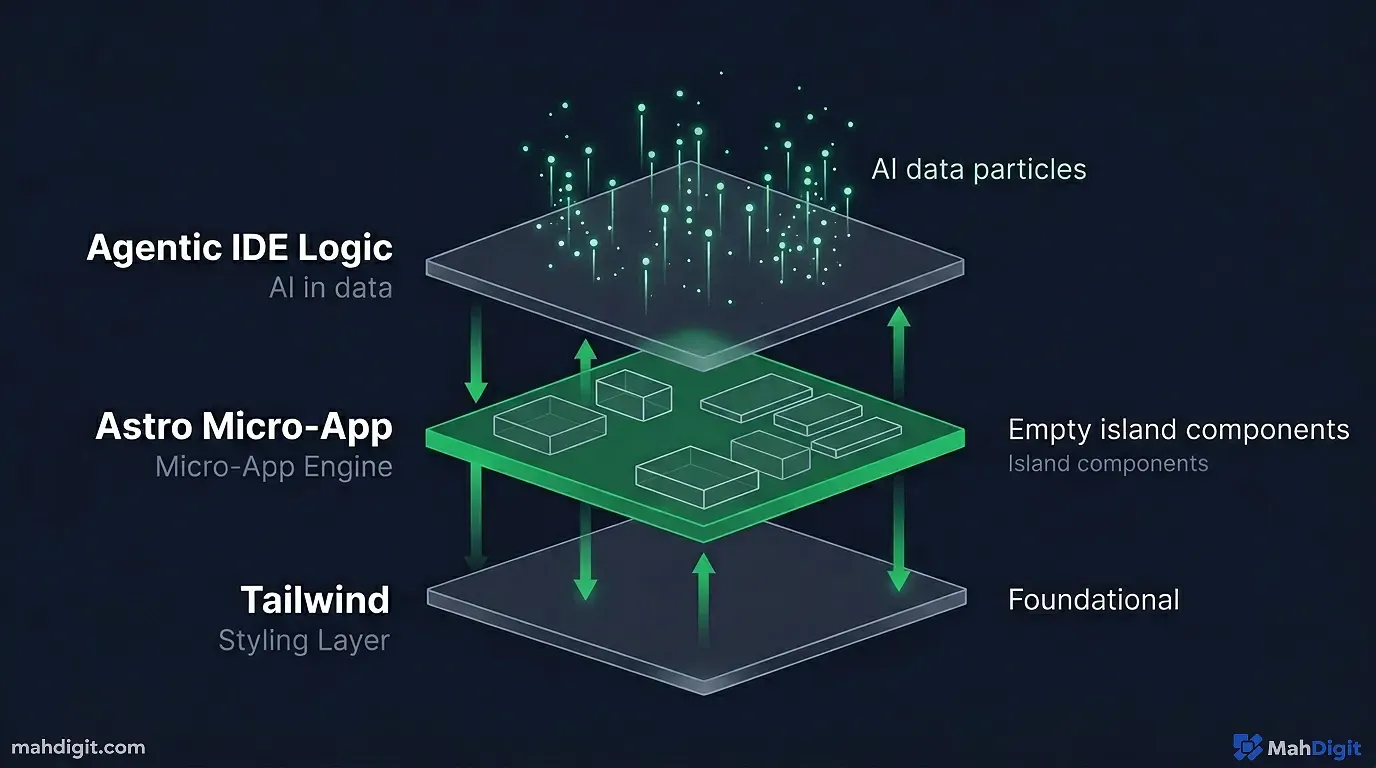
I do not use React for these builds. I do not use heavy, bloated Single Page Application (SPA) frameworks if I can avoid them entirely. Those frameworks carry too much inherent technical debt for a Micro-App. My unbeatable, go-to stack is Astro paired with Tailwind CSS.
Why Astro Dominates Vibe Coding
Astro was originally marketed as a web framework specifically designed for content-driven sites like blogs or documentation, but over the last two years, it has evolved into the main Micro-App engine for solo founders.
- Zero-JS by Default: Astro ships zero JavaScript to the user’s browser by default. The site loads virtually instantly. If you need specific interactivity (like a dynamic payment form or an interactive quiz module), you only load the JavaScript necessary for that tightly contained component. This brilliant architecture is known as “Island Architecture.” It guarantees your site speed will pass Google’s core web vitals well.
- Framework Agnostic Flexibility: If you must use an interactive React component because you found a great open-source library, or you need a Vue data table, Astro lets you just plug it in seamlessly within an Island. The AI loves this flexibility.
- Elite AI Comprehension: Astro’s core
.astrofile syntax is incredibly clean and easily readable. Because it relies heavily on standard HTML and straightforward frontmatter, AI agents rarely hallucinate the syntax. They understand where the server logic goes and where the client rendering happens.
The Power of Tailwind CSS v4
Tailwind is a polarizing utility-first CSS framework. Instead of writing custom CSS files detailing large stylesheets, you add utility classes directly to your HTML markup (e.g., <div class="bg-blue-500 text-white p-4 shadow-xl rounded-lg">).
In 2026, Tailwind v4 is , natively integrated into the Astro ecosystem. It requires virtually zero configuration files to deploy.
More importantly: AI agents speak fluent, native Tailwind. Because the classes are descriptive, standardized, and incredibly widespread across GitHub’s training data, you can tell an AI, “Make this submission button look like a glassy, modern iOS 18 system notification,” and the AI instantly knows which combination of 15 Tailwind utilities to apply.
Framework Comparison for AI Generation
Here is a look at why I fiercely defend this specific stack over the alternatives when using Agentic IDEs:
| Framework Stack | AI Comprehension | Initial Setup Speed | Bloat / Tech Debt | Ideal Use Case |
|---|---|---|---|---|
| Astro + Tailwind | Excellent (Native HTML logic) | Fast | Zero (Islands logic) | Micro-Apps, SaaS Landing Pages |
| Next.js + React | Good (But prone to state errors) | Moderate | High (Client vs Server confusion) | Complex, large monolithic dashboards |
| Vanilla HTML/CSS | Perfect | Unbearably Slow | Zero | Static one-page portfolio sites |
| Vue.js | Moderate (Less data than React) | Fast | Medium | Reactive internal tooling |
For spinning up a fast, profitable Micro-App over a weekend, nothing touches the speed and AI-compatibility of Astro.
The Weekend Pipeline: From Idea to Launch
Here is my exact, proven, step-by-step process for vibe coding a fully functional, money-making AI Micro-App over a single grueling weekend.
Let us assume we are building the “Teacher Quiz Generator” app mentioned earlier in this guide.
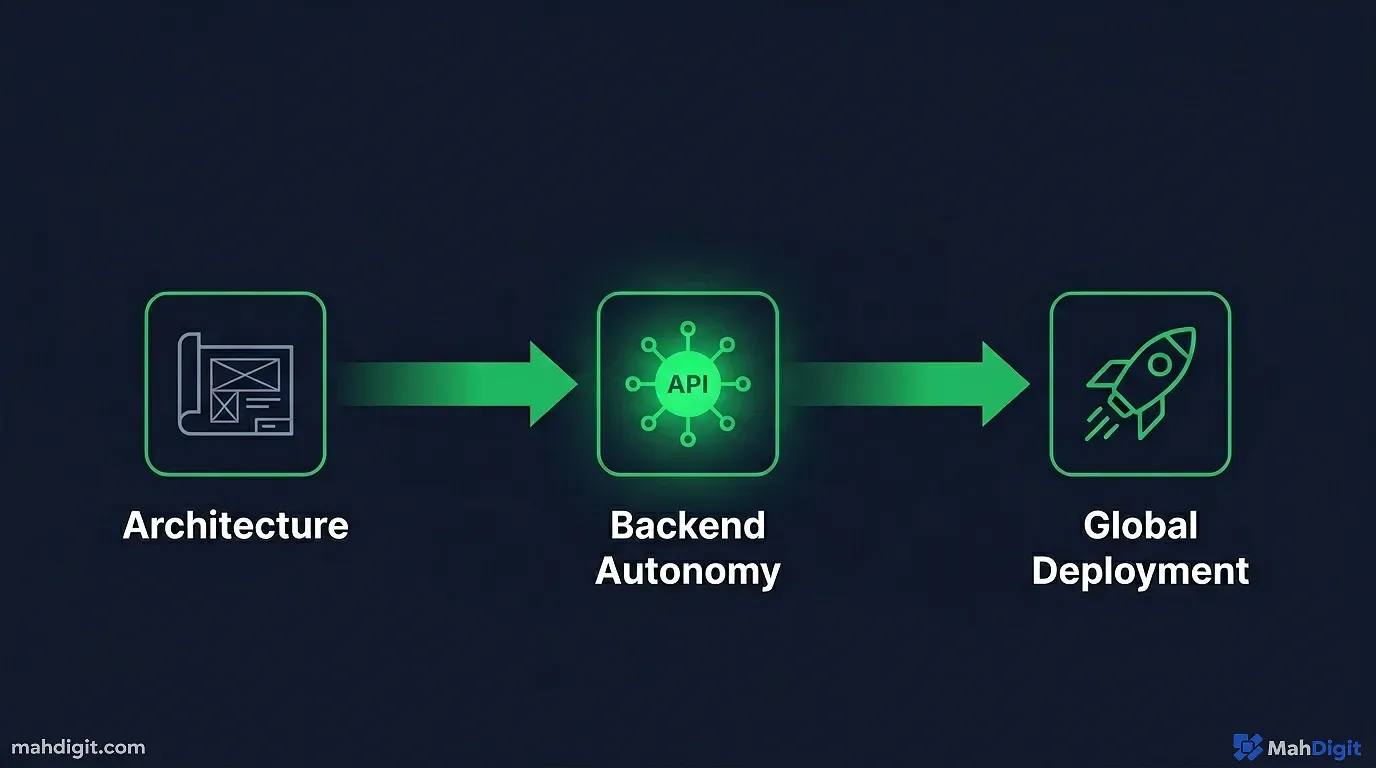
Friday Night: The Skeleton and Strategy
I do not start coding on Friday night. I open a completely blank Notion document and write a detailed “Architecture Prompt.” I detail what the application is, who the core user is, and what the precise user flow looks like step-by-step.
I then open my terminal, type npm create astro@latest, and follow the standardized prompts to generate a blank project file tree with Tailwind automatically included.
I open my Agentic IDE (usually Cursor or Google Antigravity). I paste my large Architecture Prompt into the AI Composer chat interface and type the following command:
“Read this entire architecture document. We are building this precise Web App in Astro with Tailwind v4. Start by carefully generating the global layout file (
Layout.astro), a minimalist landing page (index.astro), and a clean, responsive navigation bar. Ensure the entire design is WCAG accessible and uses a high-contrast, professional typography system suitable for educators.”
The IDE takes about forty seconds, spinning up files and writing the layout. I review the visual output in my local browser, hit save, push to my GitHub repo, and go to sleep.
Saturday: Wiring the Brain (The API Connection)
Saturday is the heavy lifting where the actual functionality happens. Our specific app needs to allow a file upload, extract the text, send it securely to an LLM to automatically generate the quiz questions, and return the formatted result to the user.
I open the IDE and target the server-side logic, prompting the AI:
“Create an accessible API endpoint in Astro at
src/pages/api/generate-quiz.ts. This endpoint needs to securely accept a JSON text payload. Write the robust server-side TypeScript code to send this exact payload to the OpenAI API using the fastgpt-4o-minimodel. The precise system prompt passed to the OpenAI API must be: ‘Generate a 10 question multiple choice quiz based on the provided text context. Do not invent answers. Return the output in strict, parsed JSON format containing the question, four options, and the correct answer index.’ Handle any rate-limit API errors gracefully and return a 500 status code with a user-friendly message.”
Because I used clear constraints and specified the exact output format (strict JSON), the AI generates the server logic smoothly on the first try.
If you are personally unfamiliar with how API connections work or how to handle JSON payloads, I strongly suggest stepping back and using no-code integrations first. You can read my detailed thoughts on no-code AI automation to understand API logic before blindly applying it to raw server code.
Sunday: UI Polish, Payments, and Deployment
Sunday is purely about refining the raw “vibe” and connecting the monetization engine. The app technically works and generates quizzes, but it might visually look sterile or clunky during the loading phases.
This is where AI shines as a designer. I highlight a large section of the frontend code and prompt:
“This static loading state is boring and causes the user anxiety. When the API is actively fetching the quiz data from OpenAI, completely replace the static text with a sleek, vertically pulsing skeleton loader built entirely with native Tailwind pulse animations to simulate the quiz being written out line-by-line.”
Once the UI is utterly polished, I deploy the app to a global edge network platform like Vercel or Netlify. Because Astro is so lightweight, the deployment takes about 60 seconds via their automatic GitHub integration.
I then write a quick script to plug in a LemonSqueezy or Stripe checkout link, locking the upload button behind a $5 paywall. I test the live credit card processing. The app is now fully live to the world, functional, and mechanically capable of accepting money.
The Marketing Reality
Vibe coding makes building the app incredibly easy. That means everyone is currently building. Building the web app is no longer a sustainable competitive advantage in 2026. The only thing that separates my successful app from someone else’s identical app sitting dormant on a server is distribution.
Your ability to effectively market the app and distribute it to the exact right audience (in this case, reaching out to exhausted high school teachers on Reddit or TikTok) is the only skill that ultimately dictates your profitability.
The Reality Check: What the Tech Gurus Don’t Tell You
Vibe coding is an undeniable superpower that levels the playing field, but there are large, dangerous caveats that the Twitter hype cycle intentionally ignores to sell you a course.
- You Still Need Logic: You do not need to memorize exact syntax anymore, but you must understand core programming logic. If you do not intrinsically know the fundamental security difference between a client-side browser execution and a secure server-side execution, you will tragically command the AI to accidentally expose your secret API keys directly to the public browser.
- The “Last 10%” Protocol is : The AI agents will reliably get you 90% of the way to a finished product in 30 minutes. Debugging a weird, hyper-specific mobile Chrome layout glitch or tracking down a subtle database race-condition will still require intense manual intervention and deep technical patience.
- Vibe Coding Creates Technical Debt: Because the AI optimizes for the fastest path to a working feature based on your prompt, it rarely optimizes for long-term maintainability. If your Micro-App suddenly scales to 100,000 daily users, the messy, unoptimized code the AI originally generated might buckle under the server load.
Key Takeaways
Vibe coding has permanently democratized software creation and lowered the barrier to entry for solo entrepreneurship in 2026.
- Raw Syntax is Secondary. Your ability to clearly articulate high-level architecture, precise logic, and emotional design to an AI is your most valuable coding skill today.
- Build Micro-Apps, not large Monoliths. Focus intensely on hyper-specific tools that solve singular, painful problems. Large platform ambitions confuse AI agents and rapidly lead to unmaintainable, broken code.
- Use Astro + Tailwind. This specific stack prioritizes execution speed, client simplicity, and zero configuration, making it the perfect predictable canvas for an AI to generate reliable websites.
- Prompt for Architecture First. Never ask an AI to “build an app” blindly from a blank file. Write a detailed, structural layout document and feed it to the IDE before authorizing it to write any code.
- Security Always Requires Human Oversight. You must understand basic web security principles (server vs. client execution) to avoid dangerously exposing sensitive customer data or your own financial API keys.
We used to constantly say “Learn to Code” to secure your financial future. In 2026, the only mantra that actually matters is “Learn to Orchestrate.” Keep the scope small, open a blank Astro project, precisely define your vibe, and start building software that makes you money. For more on this shift, check out my breakdown of the best AI tools for productivity and how to automate your business processes.
